español




Respuesta rápida
Para la mayoría de los pedidos de losas de granito importadas, 20 mm y 30 mm son los dos espesores principales que se deben comparar.
Normalmente recomendamos losas de granito de 20 mm para la producción estándar de encimeras porque utilizan menos piedra, cuestan menos y ofrecen una mejor eficiencia de carga en contenedor. Son adecuadas para encimeras de cocina habituales, cubiertas de tocador y fabricación local cuando las piezas terminadas tienen aberturas de tamaño normal y un soporte fiable de armarios o estructuras.
Recomendamos losas de granito de 30 mm para islas grandes, aberturas principales para fregaderos o placas de cocción, secciones estrechas de piedra y encimeras que requieren un borde grueso sólido sin laminación.
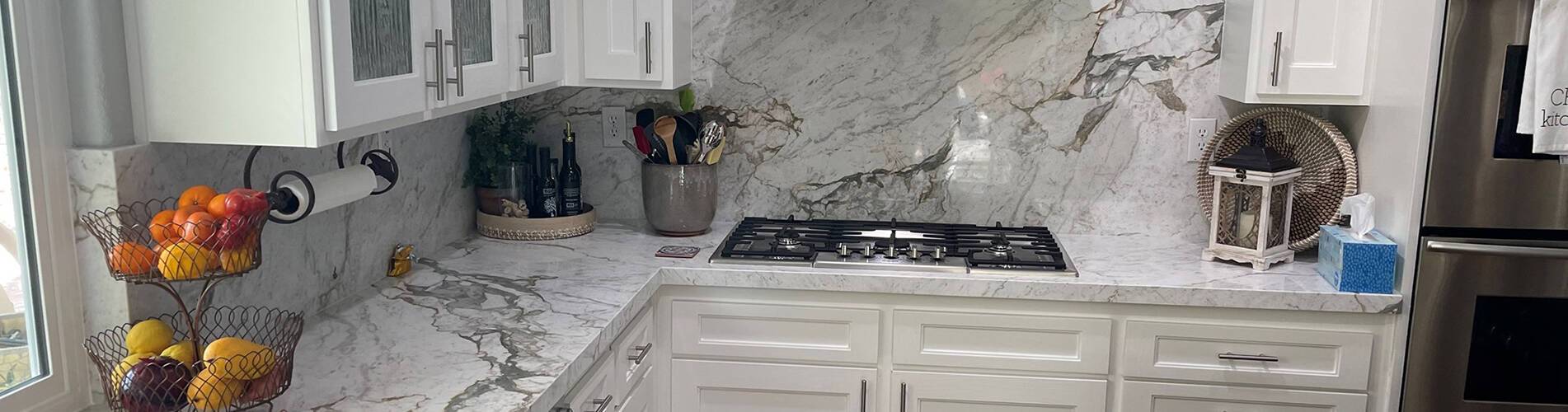
Estas recomendaciones de espesor se aplican tanto a formatos prefabricados como de corte personalizado en nuestra gama de encimeras de cocina de granito, incluidos tableros estándar, islas y componentes de tamaño para proyectos.
Los dos espesores de losas de granito más comunes son 20 mm (2 cm o aproximadamente 3/4 de pulgada) y 30 mm (3 cm o aproximadamente 1 1/4 de pulgada). Ambos son especificaciones estándar en el suministro internacional de losas, aunque las preferencias del mercado varían.
El granito de 20 mm se utiliza ampliamente por fabricantes de encimeras que priorizan un menor coste de la losa, un peso de manipulación más ligero y una mejor eficiencia de carga en contenedor. La opción de 30 mm es más habitual para islas grandes, cortes importantes y encimeras que requieren un borde grueso sólido.
Algunos materiales de granito también están disponibles en 18 mm o espesores personalizados, pero la mayoría de los importadores de losas pueden comenzar eligiendo entre 20 mm y 30 mm. Debido a que la disponibilidad de espesores varía según la piedra y el tamaño actual del bloque, los compradores pueden utilizar nuestra gama de colores de granito para preseleccionar materiales adecuados antes de confirmar el espesor requerido y las dimensiones de las losas.
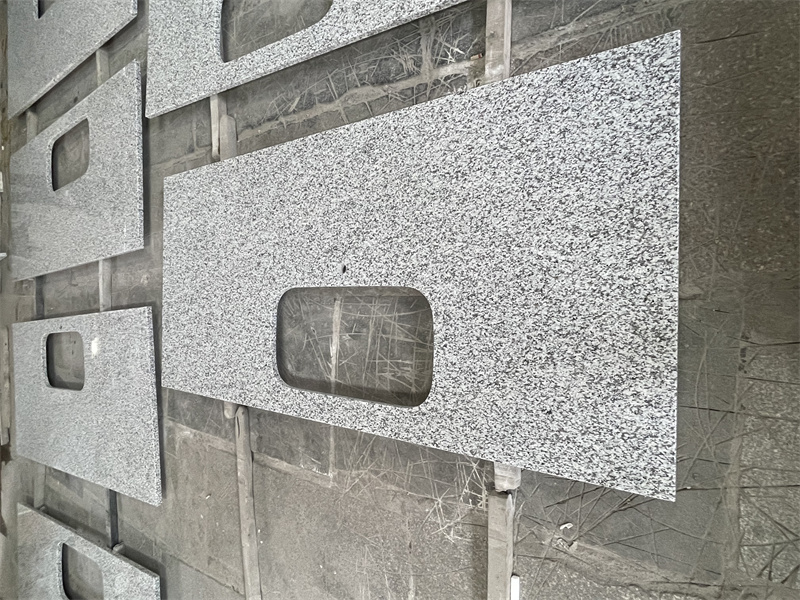
Para pedidos estándar de encimeras, el granito de 20 mm suele ser suficiente y más competitivo en precio, por lo que lo recomendamos primero. Recomendamos 30 mm para islas grandes, cortes importantes, secciones estrechas de piedra o encimeras que requieren un borde grueso sólido.
| Consideración de compra | losas de granito de 20 mm | losas de granito de 30 mm |
|---|---|---|
| Piedra utilizada por metro cuadrado | 0,020m³ | 0,030m³ |
| Peso típico | 50–54kg/m² | 75–81kg/m² |
| Precio típico | Aproximadamente un 8%–10% más bajo | Más alto |
| Flete por metro cuadrado | Puede ser aproximadamente un 33% más bajo | Más alto |
| Uso recomendado | Encimeras estándar, tocadores y fabricación local | Islas grandes, cortes principales y bordes gruesos macizos |
Una losa de granito de 20 mm utiliza un 33,3 % menos de piedra y pesa aproximadamente 25–27 kg menos por metro cuadrado que el mismo material de 30 mm.
Su precio generalmente es aproximadamente un 8 %–10 % más bajo. Como el peso también es un tercio menor, un contenedor limitado por peso puede transportar aproximadamente un 50 % más de superficie de losa, reduciendo el flete marítimo asignado a cada metro cuadrado en aproximadamente un 33 %.
Por ejemplo, un contenedor que transporta unos 240 m² de losas de 30 mm puede transportar aproximadamente 360 m² a 20 mm. La carga real depende de las dimensiones de las losas, la densidad del granito y el peso del embalaje.
Sí. Normalmente recomendamos granito de 20 mm para encimeras de cocina estándar y superficies de tocador.
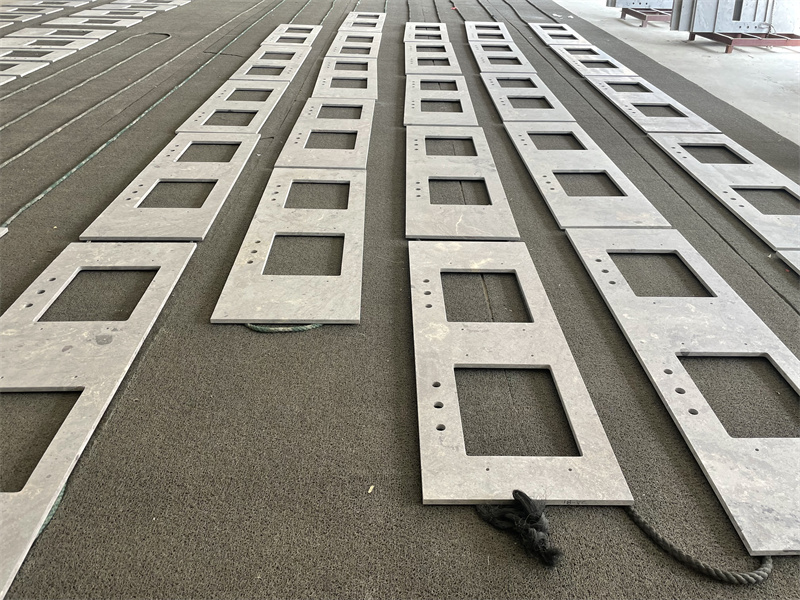
Los principales riesgos aparecen alrededor de cortes grandes y secciones estrechas de piedra restante, como los bordes de fregaderos, las aberturas para placas de cocción y el área entre dos lavabos. Estas secciones requieren más soporte durante la fabricación, el transporte y la instalación.
Para encimeras de cocina habituales con aberturas estándar para fregadero y placa de cocción, 20 mm es el punto de partida habitual.
Proporciona un grosor suficiente para fabricantes experimentados, al tiempo que reduce el precio de la losa, el peso de manipulación en el taller y el coste del transporte por metro cuadrado.
Elija 30 mm cuando el proyecto requiera:
Para cubiertas de tocador estándar de un solo lavabo y de doble lavabo normal, 20 mm normalmente es suficiente.
La menor profundidad y el soporte continuo del gabinete hacen que las cubiertas de tocador sean un uso práctico para losas más ligeras. El menor peso también mejora la eficiencia del embalaje y la instalación para programas de hoteles, viviendas multifamiliares y venta mayorista.
Considere 30 mm para cubiertas largas de doble lavabo, secciones estrechas de piedra entre aberturas o diseños que requieran un borde grueso sólido.
Para islas de cocina grandes, normalmente comenzamos con granito de 30 mm.
Las islas grandes pueden incluir aberturas amplias para fregaderos o placas de cocción, áreas largas sin soporte y voladizos para asientos. Estas características pueden dejar secciones estrechas de piedra alrededor de puntos vulnerables.
Una isla de 20 mm aún puede producirse cuando:
Sin embargo, para una compra y fabricación sencillas, 30 mm suele ser la opción más segura.
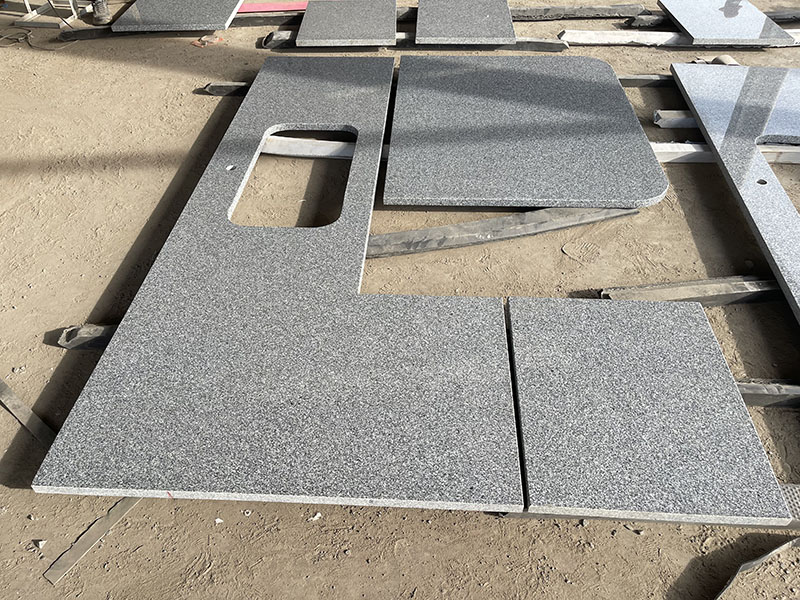
Para programas de encimeras prefabricadas, 20 mm puede ofrecer una ventaja comercial importante al reducir el uso de material, el peso de las piezas terminadas y el transporte por metro cuadrado.
Se puede añadir un borde frontal laminado cuando el mercado objetivo espera una apariencia más gruesa. Elija 30 mm cuando la encimera se venderá como un producto de grosor sólido y eliminar la laminación del borde sea más valioso que maximizar la capacidad del contenedor.
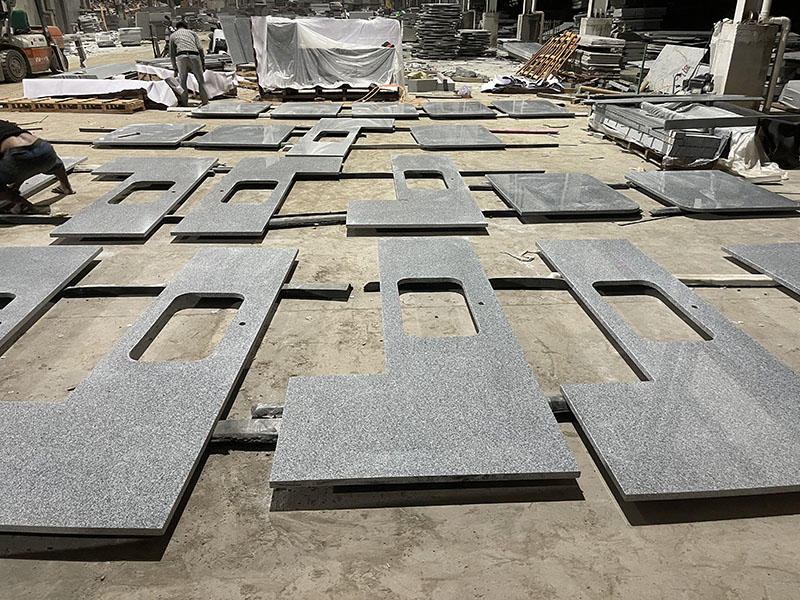
Una losa de 20 mm funciona bien con bordes rectos, suavizados y biselados. Cuando se requiere una apariencia más gruesa, se puede unir una tira de granito a juego debajo del borde frontal para producir un perfil laminado.
Esto permite a los fabricantes conservar las ventajas de costo y transporte de 20 mm mientras suministran una encimera visualmente más gruesa.
Una losa de 30 mm crea un borde más grueso sin laminación y normalmente es más adecuada para perfiles profundos de media caña, ogee y otros perfiles sustanciales.
Por lo tanto, el perfil del borde debe seleccionarse antes de confirmar el grosor de la losa. Pedir 20 mm y solicitar posteriormente un borde sólido profundo añade trabajo de fabricación. Pedir 30 mm para un borde recto delgado añade peso y costo sin proporcionar suficiente valor adicional.
| Tipo de pedido | Punto de partida recomendado |
|---|---|
| Stock estándar de losas para fabricación local | 20 mm |
| Encimeras de cocina normales | 20 mm |
| Cubiertas de tocador estándar | 20 mm |
| Encimeras prefabricadas con bordes laminados | 20 mm |
| Islas de cocina grandes | 30 mm |
| Cubiertas para fregadero doble con secciones estrechas de piedra | Revisión para 30 mm |
| Aberturas amplias para fregaderos o placas de cocción | Revisión para 30 mm |
| Encimeras macizas con borde grueso | 30 mm |
| Proyectos residenciales o comerciales mixtos | Combinar 20 mm y 30 mm |
Un pedido de espesores mixtos puede ser más económico que cambiar todas las encimeras a 30 mm.
Este enfoque conserva las ventajas de precio y transporte de 20 mm mientras utiliza 30 mm solo donde proporciona un beneficio de fabricación significativo.
Antes de confirmar el espesor de la losa, los principales requisitos de la encimera ya deberían estar claros:
Cuando estén disponibles las dimensiones finales o los planos, podemos recomendar si el pedido debe mantenerse en 20 mm, pasar a 30 mm o combinar ambos espesores.
Para fabricantes de encimeras establecidos, 20 mm debería ser la primera opción para las importaciones estándar de losas de granito.
Generalmente es suficiente para encimeras de cocina habituales y cubiertas de tocador, al tiempo que proporciona:
Use 30 mm cuando la sección adicional de piedra proporcione un beneficio claro, especialmente para islas grandes, aberturas importantes, secciones estrechas de piedra y bordes macizos gruesos.
El plan de compra más económico no es usar 30 mm para todas las encimeras. Es usar 20 mm para el pedido principal y añadir 30 mm solo donde el diseño de la encimera y el riesgo de fabricación justifiquen el coste y el peso adicionales.
Sí. Una losa de granito de 20 mm es adecuada para la mayoría de las encimeras de cocina estándar cuando la parte superior cuenta con un soporte fiable de armarios o estructura y aberturas de tamaño normal para fregaderos y placas de cocción.
Una losa de 30 mm tiene una sección de piedra más gruesa y normalmente ofrece mayor rigidez que el mismo granito de 20 mm. Es útil para piezas grandes acabadas, cortes importantes y bordes gruesos macizos, pero no es necesaria para todas las encimeras estándar.
Una losa de granito de 20 mm generalmente cuesta alrededor de un 8 %–10 % menos que el material equivalente de 30 mm. También pesa un tercio menos, lo que puede reducir el transporte marítimo por metro cuadrado aproximadamente un 33 % en un envío de contenedor completo con limitación de peso.
Sí. Un proyecto puede usar 20 mm para encimeras estándar y tapas de tocador, mientras utiliza 30 mm para islas grandes, aberturas amplias o piezas de mayor riesgo.
Sí. Determinados materiales de granito pueden producirse en grosores fuera del rango normal de 20 mm y 30 mm, incluidos 18 mm y otras especificaciones personalizadas para proyectos específicos.
Categorías
Nuevo blog
Etiquetas
 ROOM 205,NO.45, MIDDLE HAIJING ROAD,XIAMEN,AREA OF PILOT FREE TRADE ZONE(FUJIAN)OF CHINA
Para Consultas sobre nuestros productos o su lista de precios, por favor, déjanos a nosotros y estaremos en contacto dentro de las 24 horas.



© Derechos de autor: 2026 XIAMEN EXCELLENT STONE CO.,LTD. Reservados todos los derechos.

Red IPv6 admitida