español




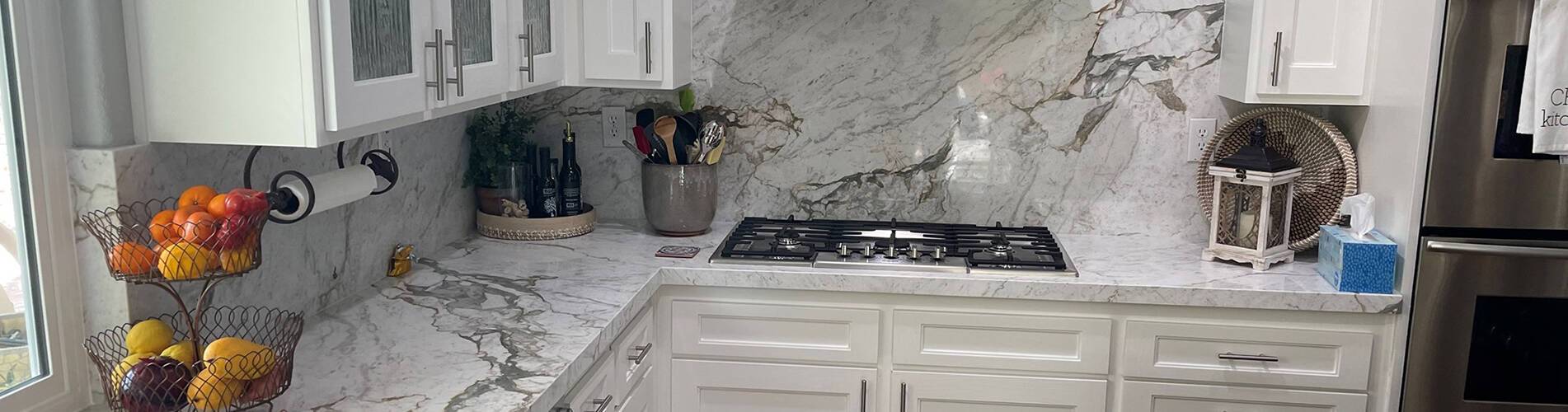
Para Losas de mármol Volakas pulido de 18–20 mm, los precios de referencia típicos de exportación de 2026 oscilan aproximadamente entre $32 y $80 por metro cuadrado FOB, dependiendo principalmente del origen de la cantera, la selección de las losas y la calidad visual.
El mayor error al comparar los precios del mármol Volakas es asumir que dos losas vendidas bajo el mismo nombre de material son equivalentes.
Una losa de $35/m² y una losa de $65/m² pueden llamarse ambas Mármol Blanco Volakas, pero pueden diferir considerablemente en el origen de la cantera, la uniformidad del fondo, el movimiento de las vetas, las grietas, las marcas de cristal y el área útil de la losa.Para los compradores, la forma más rápida de estimar el nivel de precio probable es identificar primero la cantera o la selección del material y después inspeccionar la calidad real de la losa.
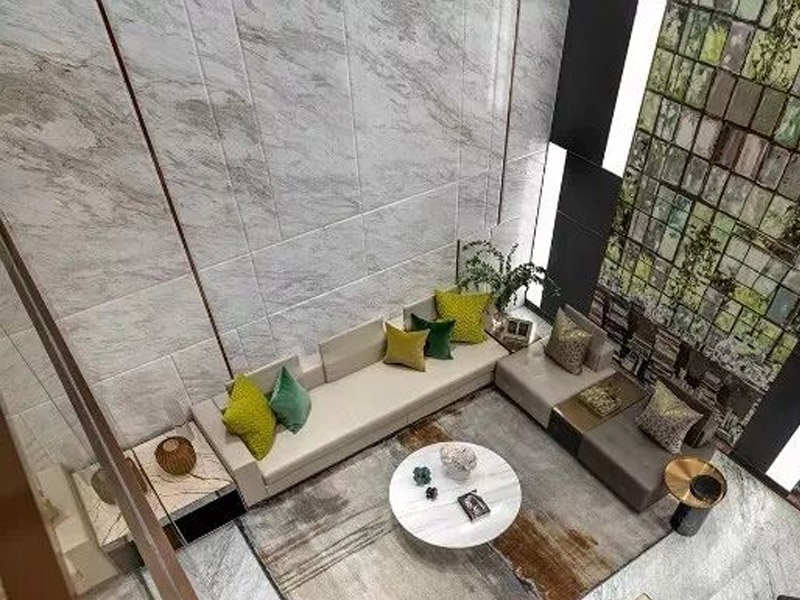
El típico precio de la losa de mármol Volakas para material pulido de 18–20 mm puede oscilar aproximadamente entre $32 y $80/m² FOB.
La tabla a continuación muestra un rango de referencia práctico para compradores de exportación.
| Selección de losas de Volakas | Referencia FOB típica de 2026 |
|---|---|
| Losas comerciales de cantera nueva | $32–38/m² |
| Losas seleccionadas de cantera nueva | $40–48/m² |
| Losas clásicas / de cantera antigua de Grado A | $52–60/m² |
| Losas premium seleccionadas de cantera antigua con vetas continuas más marcadas | $60–80/m² |
Estos son rangos de referencia, no precios de mercado fijos. Las cotizaciones finales aún dependen del bloque disponible, el stock actual de losas, la cantidad, el tamaño de las losas y la selección requerida.
El Volakas de cantera nueva normalmente se encuentra en el rango de precios bajo a medio. Las losas comerciales pulidas pueden rondar los$32–38/m² FOB, mientras que las losas mejor seleccionadas pueden alcanzar aproximadamente$40–48/m².
Este material puede funcionar bien para:
El material de menor precio puede mostrar vetas más claras o más fragmentadas, mayor variación entre losas, o más grietas naturales y características cristalinas. Esto no significa automáticamente que sea inadecuado. Para muchos proyectos comerciales, una losa consistente de gama media puede ofrecer mejor valor que pagar por material premium que el diseño no requiere.
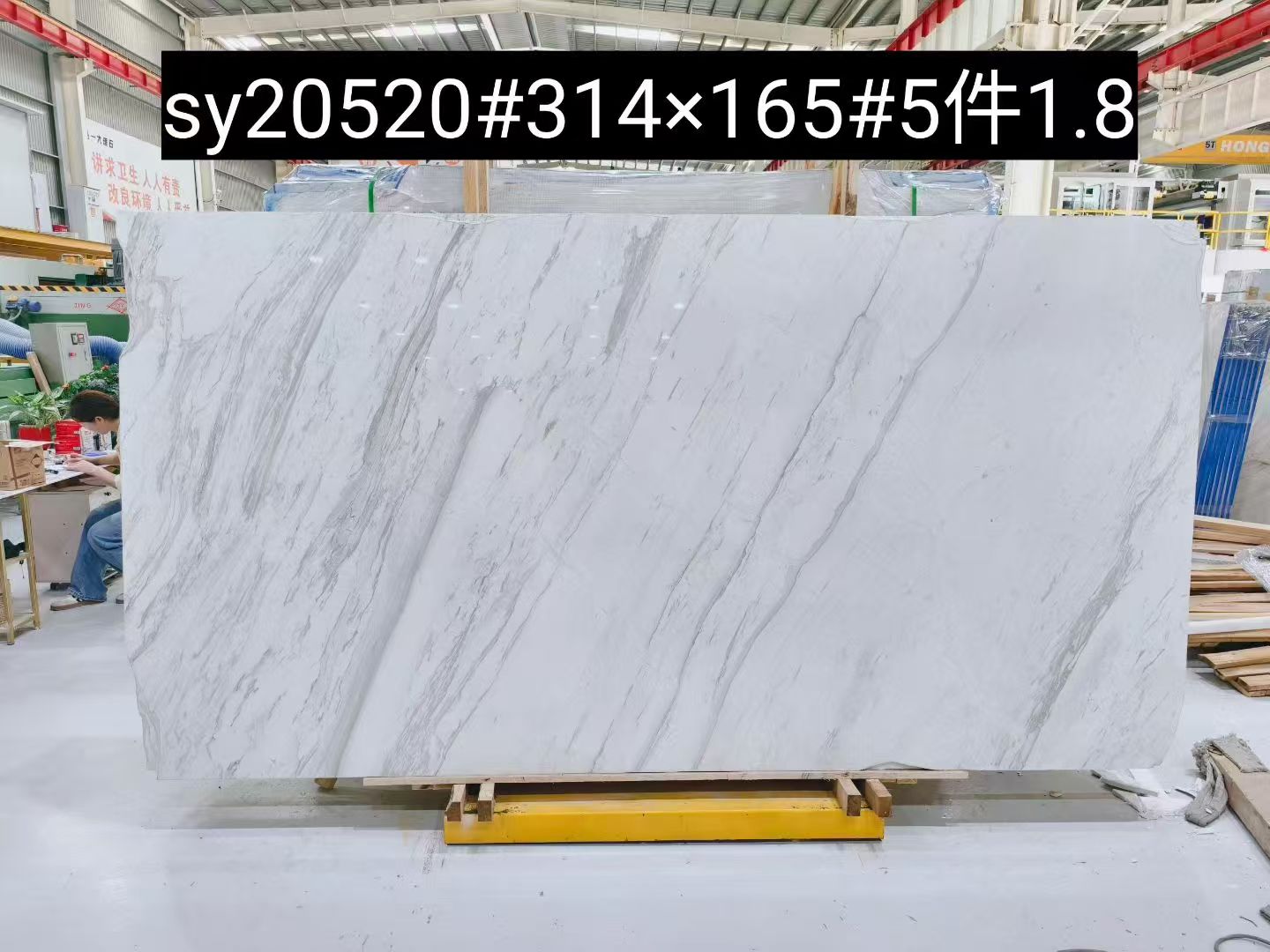
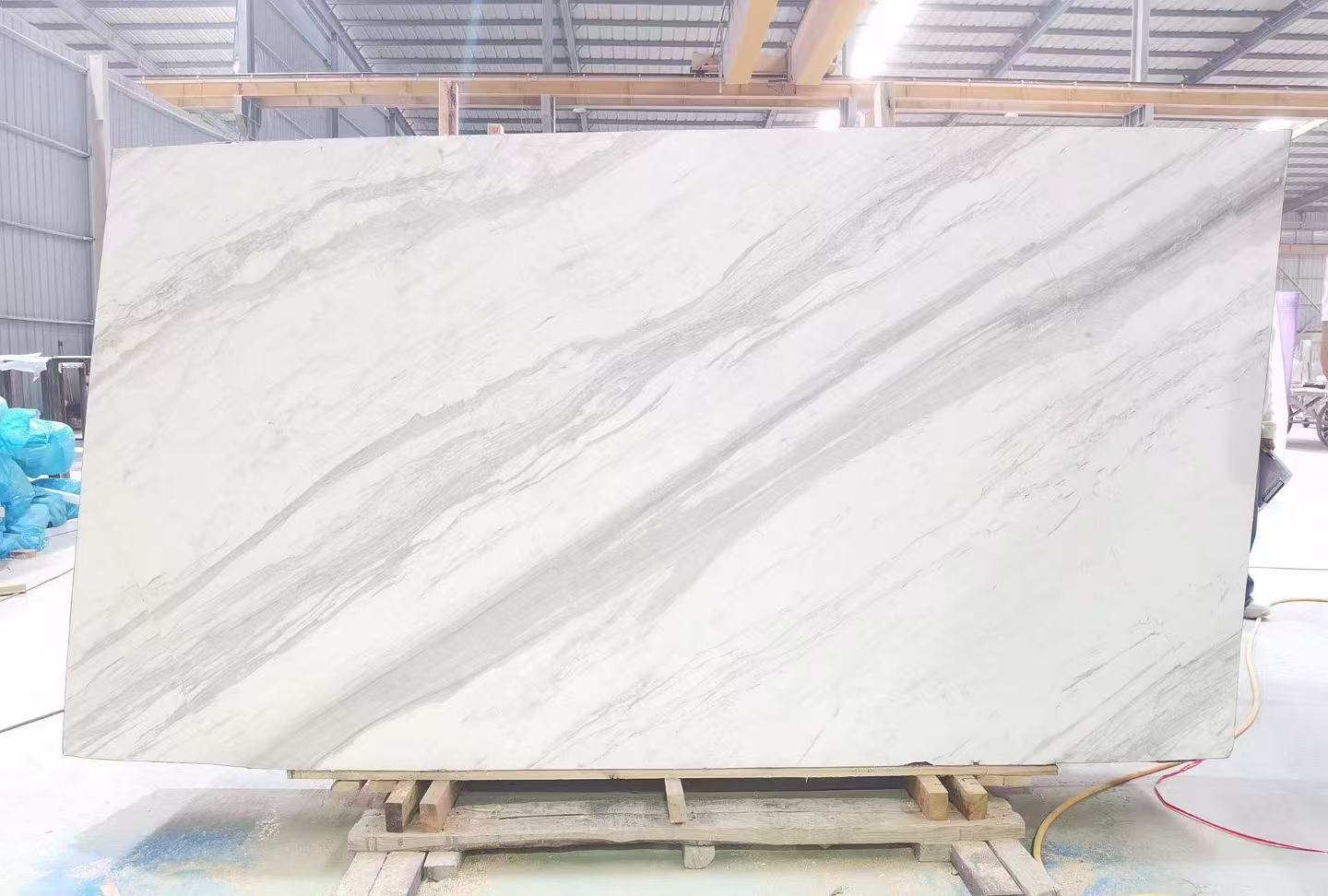
Ejemplo de cantera nueva: La losa mostrada a continuación tiene vetas grises más finas y claras, con un movimiento menos pronunciado que las selecciones más marcadas de cantera antigua mostradas más adelante en esta guía.
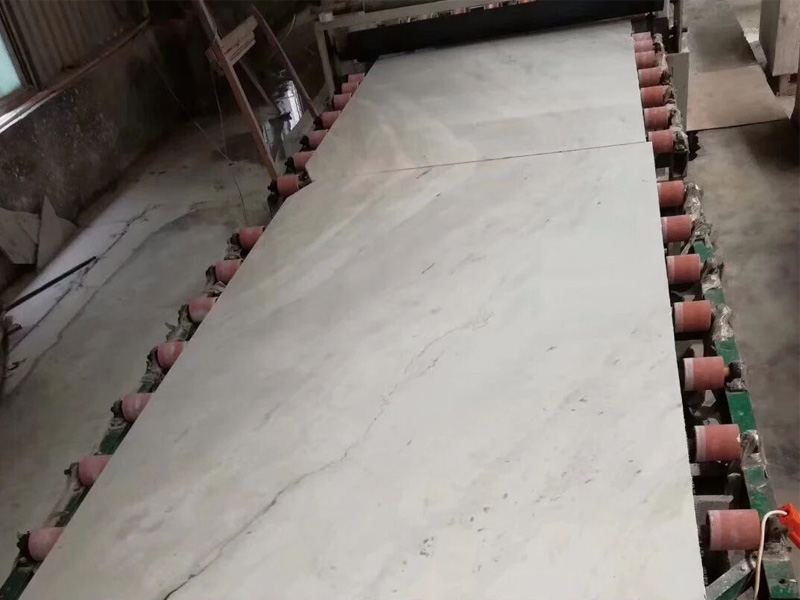
El Volakas clásico y de cantera antigua normalmente entra en un nivel de precios superior. Las losas seleccionadas regulares pueden rondar los$52–60/m² FOB, mientras que las selecciones premium con mayor movimiento, superficies más limpias y mejor continuidad pueden alcanzar$60–80/m².
El comprador no está pagando simplemente por la etiqueta «cantera antigua». La prima normalmente refleja una combinación más sólida de:
Para compradores que buscan selecciones de mayor nivel, Excellent Stone puede suministrarLosas de mármol Volakas procedentes de recursos de canteras antiguas consolidadas, incluidos selecciones Spider y JPAPA. Estos materiales permiten a los compradores comparar diferentes direcciones de vetas y estilos visuales en lugar de abastecerse únicamente con el nombre genérico “Volakas.”
Los principales factores del precio del mármol Volakas son:
Para las losas pulidas estándar, el origen de la cantera y la calidad real de la losa suelen explicar más la diferencia de precio que los cambios menores en las especificaciones.
El origen de la cantera es una de las formas más rápidas de entender por qué dos cotizaciones de Volakas se sitúan en diferentes niveles de precio.
Las diferentes selecciones de cantera suelen mostrar diferencias reconocibles en:
Esto convierte al origen de la cantera en un primer filtro de compra. Si un proveedor cotiza un material comercial de una cantera nueva y otro cotiza una losa seleccionada de una cantera antigua, sus precios no deberían compararse como si fueran el mismo producto.
El origen de la cantera indica dónde debería comenzar el precio. La losa real indica dónde debería terminar.
El Volakas de canteras antiguas suele ser más buscado cuando los compradores desean un carácter de veta más consolidado y un movimiento más marcado en la losa. Pero “cantera antigua” no es un único estilo visual.
Las selecciones Spider, JPAPA, Dionysos y Large Quarry pueden diferir en la dirección de las vetas, el movimiento y el tipo de espacio que crean después de la instalación. Una selección puede producir una pared más dinámica con un movimiento más intenso, mientras que otra puede parecer más tranquila o regular en una superficie amplia.
Los compradores que comparan Volakas de primera calidad pueden consultar nuestro análisis detallado de mármol Volakas Spider, JPAPA, Dionysos y Large Quarry.
El objetivo no es simplemente identificar la cantera más cara. La mejor pregunta es: ¿Qué selección de cantera produce la apariencia que realmente necesita su proyecto?
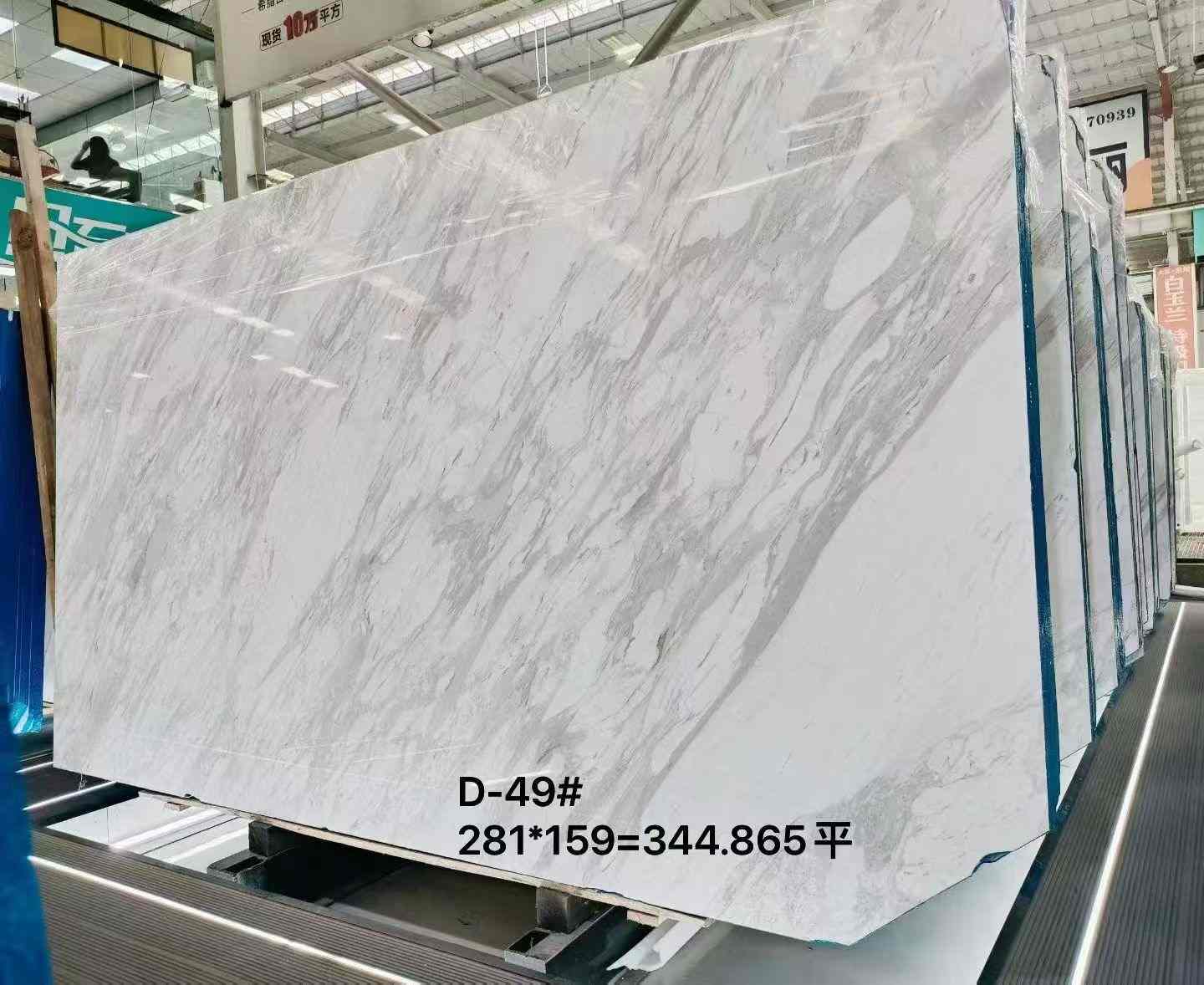
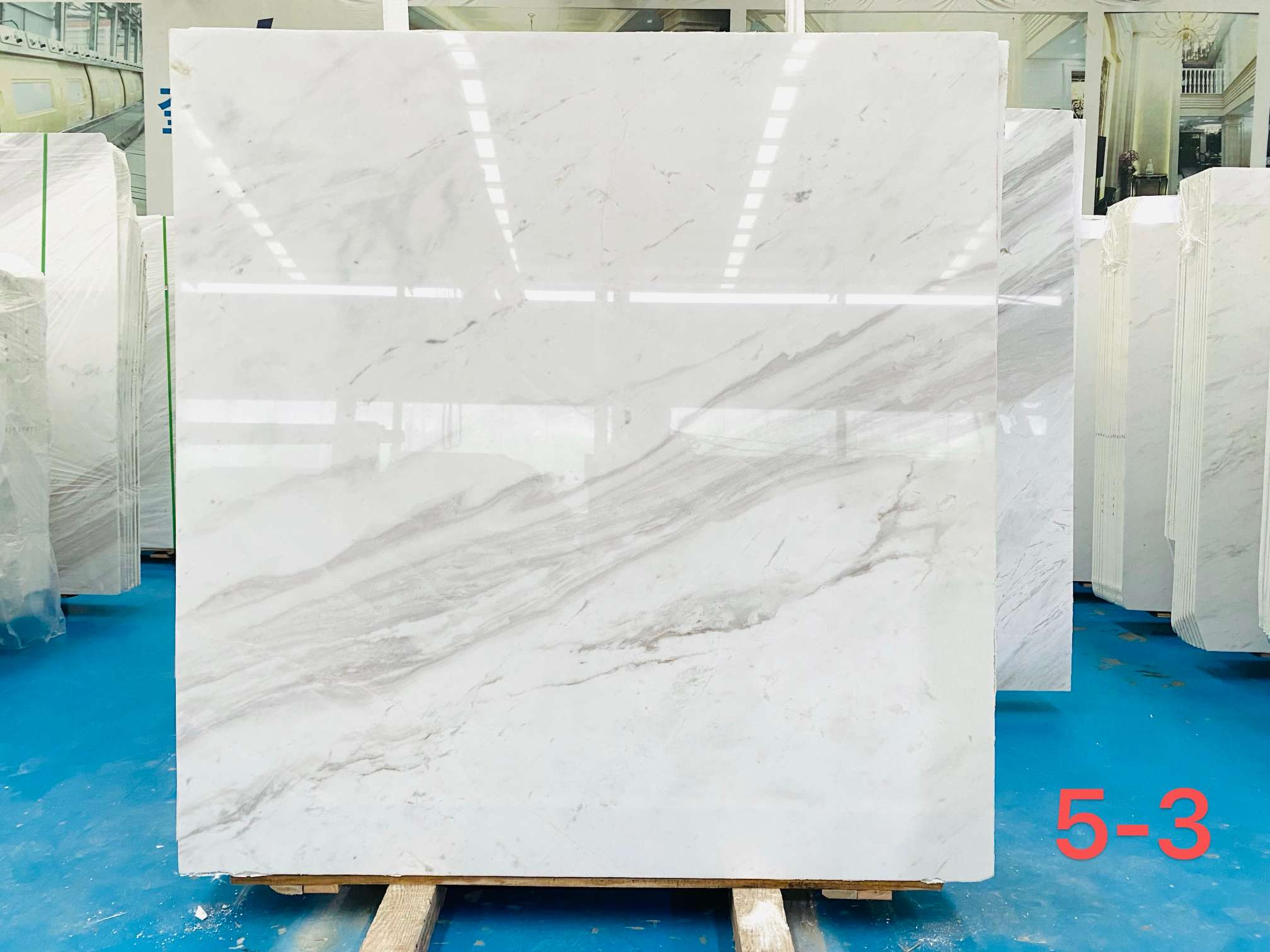
Incluso las losas de la misma fuente general de cantera pueden situarse en diferentes niveles de precio.
Las selecciones de mayor valor generalmente muestran una mejor combinación de:
Por eso, las etiquetas de grado por sí solas no son suficientes. El “Grado A” de un proveedor puede no tener el mismo aspecto que el “Grado A” de otro proveedor. Para los compradores, las fotos reales de las losas son más útiles que el propio nombre del grado.
Una losa barata no es necesariamente el material más barato para fabricar.
| Comparación | Losa A | Losa B |
|---|---|---|
| Precio | $38/m² | $58/m² |
| Grietas | Más | Menos |
| Áreas cristalinas | Más | Superficie más limpia |
| Restricciones de corte | Mayores | Menores |
| Rendimiento útil | Menor | Mayor |
La segunda losa tiene un precio de compra más alto, pero puede generar menos desperdicio y menos problemas de fabricación. Para los compradores de proyectos, el costo del material utilizable por lo tanto puede importar más que el precio nominal de la losa.
Las variables comunes incluyen:
Estos factores afectan el costo, pero los compradores que comparan losas pulidas estándar de 18–20 mm primero deben asegurarse de que están comparando la misma calidad de material.
Sí. La fuente de la cantera es una de las formas más rápidas de estimar la calidad probable y el nivel de precio del mármol Volakas.Es especialmente útil durante la etapa inicial de abastecimiento, cuando un comprador compara varios proveedores.
Supongamos que un comprador necesita 500m² de losas de Volakas.
Sin conocer la cantera o la selección del material, el comprador debe evaluar de inmediato:
Conocer primero la cantera proporciona al comprador una referencia más rápida sobre la apariencia probable y el nivel de precio. Reduce las opciones antes de revisar las losas individuales.
La cantera proporciona la primera indicación, pero la compra final todavía se realiza a nivel de bloque y losa. La piedra natural varía, y dos bloques de la misma fuente de material general aún pueden producir diferentes calidades de losa.
Use la cantera para estimar el nivel de precio. Use las losas reales para confirmar la calidad.
Para proyectos de mayor valor, los compradores deberían revisar fotos actuales de las losas o del lote antes de confirmar un pedido.
Una losa premium de Volakas no debería ser premium solo en la hoja de cotización. El valor debería ser visible.
Los compradores normalmente pueden juzgar la diferencia mediante tres aspectos:
Volakas se valora por su fondo blanco, pero el fondo no es idéntico en todas las losas.
El material de menor precio puede mostrar:
Las selecciones de mayor calidad normalmente muestran un fondo más controlado en toda la superficie utilizable. Para un proyecto grande, el comprador no está adquiriendo una sola losa atractiva. El comprador está adquiriendo un grupo de losas que deben combinar entre sí.
Las losas de menor precio pueden mostrar:
Las selecciones de mayor valor pueden mostrar:
Más vetas no significa automáticamente mayor calidad. Lo que importa es si el movimiento está equilibrado y si funciona con la distribución prevista del proyecto. En paredes destacadas, vestíbulos de hoteles y grandes superficies decorativas, la dirección de las vetas puede afectar considerablemente el resultado espacial final.
El mármol natural puede contener grietas, zonas cristalinas y secciones reparadas.
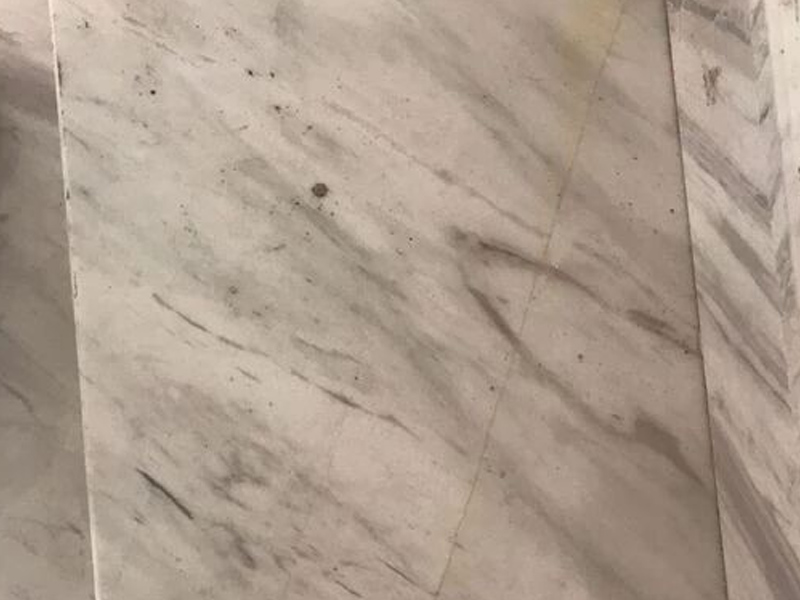
La pregunta clave al comprar no es simplemente: «¿Esta losa tiene una grieta?». Es: ¿Cuánta superficie utilizable sigue ofreciendo la losa?
Una losa con muchas zonas débiles o visualmente problemáticas puede:
Una losa más limpia ofrece a los fabricantes mayor libertad para posicionar las piezas terminadas. Esa es una de las razones por las que una losa más cara puede seguir generando una mejor economía general del proyecto.
El precio de una losa de Volakas en bruto no debe compararse directamente con el precio de baldosas terminadas o piezas fabricadas. Los productos terminados incluyen procesamiento adicional.
Convertir losas en baldosas o paneles cortados a medida puede requerir:
Excellent Stone puede suministrar baldosas de mármol Volakas personalizadas y piezas cortadas a medida para proyectos que requieren fabricación adicional después de seleccionar la losa.
La fabricación adicional puede incluir:
Cuanto más compleja sea la pieza terminada, mayor será el costo de procesamiento. Por eso, las búsquedas en línea de costo del mármol Volakas suelen mostrar cifras muy diferentes: algunas cotizaciones se refieren a losas en bruto, mientras que otras se refieren a baldosas o productos elaborados.
Al comparar cotizaciones de losas de Volakas, los compradores deben asegurarse primero de que las ofertas describan el mismo material.
No compare directamente material comercial de una cantera nueva con losas seleccionadas de una cantera antigua de primera calidad. El nombre del producto puede ser el mismo, pero el nivel del material no lo es.
Revisar:
Para proyectos más grandes, inspeccione varias losas juntas en lugar de juzgar una sola losa de forma aislada.
Asegúrese de que ambas cotizaciones utilicen los mismos:
Un valor de $/m² no es significativo si una cotización es EXW y otra es FOB o DDP.
Para una comparación justa, confirme:
El material de primera calidad no es necesario para todos los proyectos. Un proyecto comercial puede lograr un mejor control de costos con una selección consistente de gama media, mientras que un muro destacado o un interior muy visible puede justificar vetas más marcadas, losas más limpias, mejor continuidad y una combinación más estricta de losas.
¿Cuál es el grado más bajo de Volakas que aún cumple con los requisitos visuales y de fabricación de este proyecto?
Cuando dos cotizaciones parecen muy diferentes, compárelas en este orden:
Si estos seis elementos no son iguales, los dos precios no son directamente comparables.
Sí. El Volakas premium puede ser relativamente caro, pero las selecciones comerciales de canteras nuevas están disponibles a niveles de precio considerablemente más bajos.
Normalmente, sí. El material seleccionado de cantera antigua generalmente se sitúa en un nivel de precio superior, especialmente cuando los compradores requieren un movimiento de vetas más marcado y selecciones de losas más limpias.
Sí. El origen de la cantera es una de las formas más rápidas de estimar la apariencia probable, el nivel de calidad y el rango de precios antes de revisar losas individuales.
No. Las etiquetas de grado varían entre proveedores, por lo que los compradores deben comparar fotos reales de las losas y estándares de selección.
No. La continuidad de las vetas, el equilibrio, el estado de la losa y la calidad visual general importan más que simplemente tener más vetas.
Sí, normalmente lo son por metro cuadrado terminado. Los costos de corte, calibración, trabajo de bordes y otros procesos de fabricación se añaden al precio de la losa.
Sí. Diferentes orígenes de cantera, grados de losa, áreas utilizables, especificaciones y términos comerciales pueden producir grandes diferencias de precio incluso cuando ambos productos se venden como mármol Volakas.
No. Los compradores deberían elegir la selección de menor precio que aún cumpla con los requisitos visuales, de rendimiento y de fabricación del proyecto.
Para las losas estándar de mármol Volakas pulido de 18–20 mm, una referencia práctica de exportación para 2026 es aproximadamente $32–80/m² FOB.
Para una decisión de compra rápida:
La cantera le da la primera expectativa de precio. Las losas reales determinan si ese precio está justificado.
Para importadores, mayoristas y compradores de proyectos que buscan losas de mármol Volakas, las fotos actuales de las losas y un estándar de selección claramente definido son más útiles que una etiqueta genérica de Grado A o Grado B.
Categorías
Nuevo blog
Etiquetas
 ROOM 205,NO.45, MIDDLE HAIJING ROAD,XIAMEN,AREA OF PILOT FREE TRADE ZONE(FUJIAN)OF CHINA
Para Consultas sobre nuestros productos o su lista de precios, por favor, déjanos a nosotros y estaremos en contacto dentro de las 24 horas.



© Derechos de autor: 2026 XIAMEN EXCELLENT STONE CO.,LTD. Reservados todos los derechos.

Red IPv6 admitida