español




Spider y JPAPA son las selecciones de mármol Volakas más ampliamente aceptadas en el mercado internacional de losas que observamos a través de Shuitou. Dionyso le sigue, mientras que la selección comercial Large Quarry aparece con menor frecuencia en el comercio de exportación.
Aquí, «más popular» se refiere a la circulación en el mercado, la frecuencia de selección para exportación y la aceptación entre los compradores internacionales de piedra de Shuitou, un importante centro de comercio y distribución de piedra.
Nuestra recomendación de mercado es sencilla:
Para importadores, almacenistas de losas y compradores de proyectos sin un requisito de diseño altamente específico, Spider y JPAPA suelen ser las primeras selecciones de Volakas que recomendamos revisar.
A partir de nuestra experiencia a largo plazo con bloques, losas y mercados de exportación en Shuitou, Spider y JPAPA forman el grupo líder de selecciones de mármol Volakas para exportación.
Spider es ampliamente aceptado porque combina un rico movimiento natural con una estructura de vetas reconocible. Sus vetas grises ramificadas aportan un fuerte carácter visual a la losa sin perder la dirección general del patrón.
JPAPA alcanza un mercado igualmente amplio de una manera diferente. Su fondo suele ser más brillante y limpio, mientras que las vetas gris plateado tienden a extenderse en direcciones más largas y ordenadas. Esto facilita su uso en proyectos que requieren un mármol blanco con movimiento visible pero con una apariencia más controlada.
Dionyso sigue a estas dos selecciones. Su fondo brillante, áreas blancas más grandes y vetas características concentradas crean un aspecto elegante, pero adecuado para una preferencia de diseño más específica.
La selección comercial de Large Quarryvista en el mercado de Shuitou aparece con menor frecuencia en el comercio de exportación. Las losas individuales pueden ser impactantes, pero los cambios en el tono del fondo, la cobertura gris y la densidad de las vetas pueden ser más notorios de una selección o zona de extracción a otra.
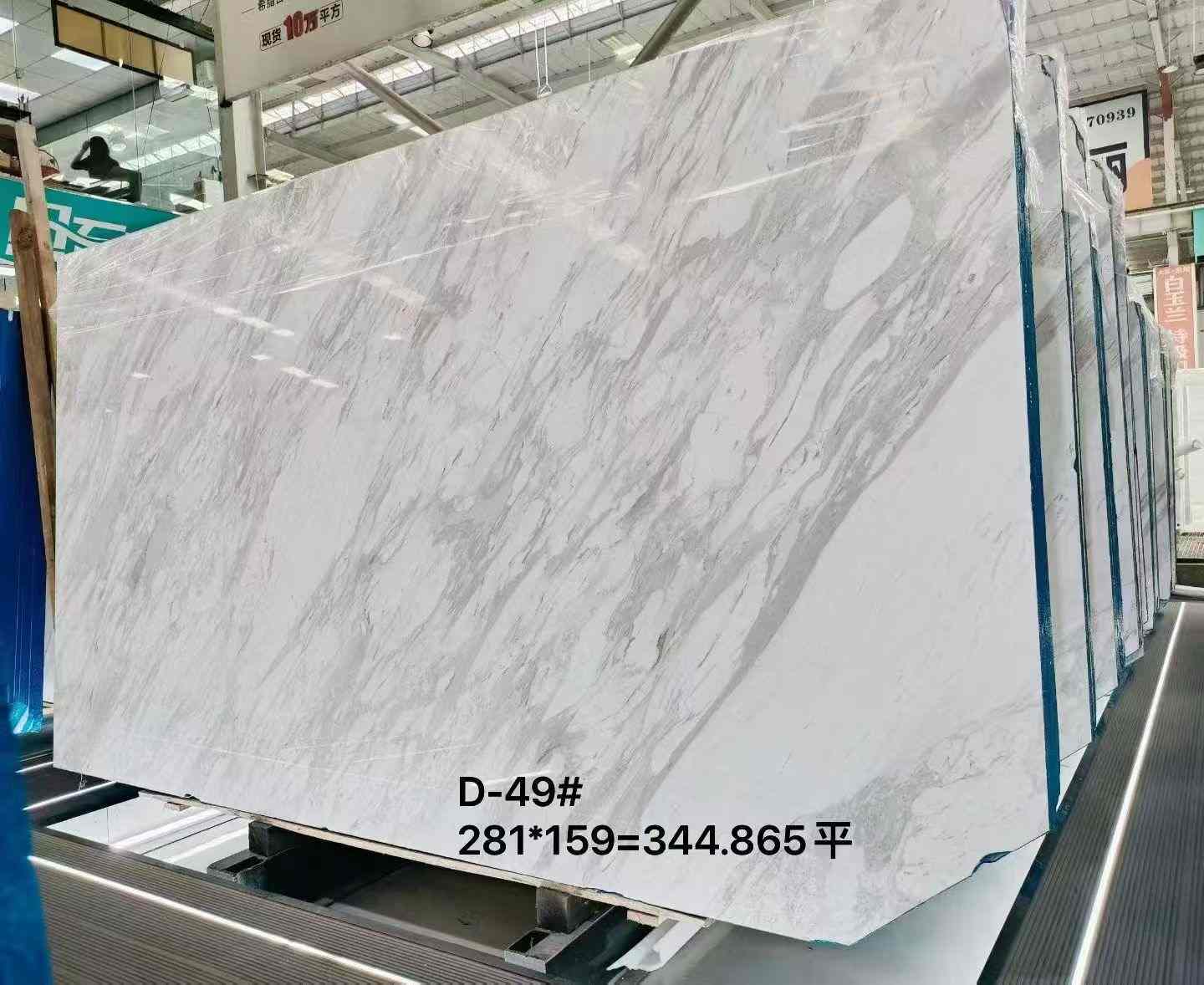
Esta selección comercial de Volakas de Large Quarry muestra un fondo gris blanco con vetas diagonales amplias, movimiento gris nublado y una variación tonal notable en toda la losa.
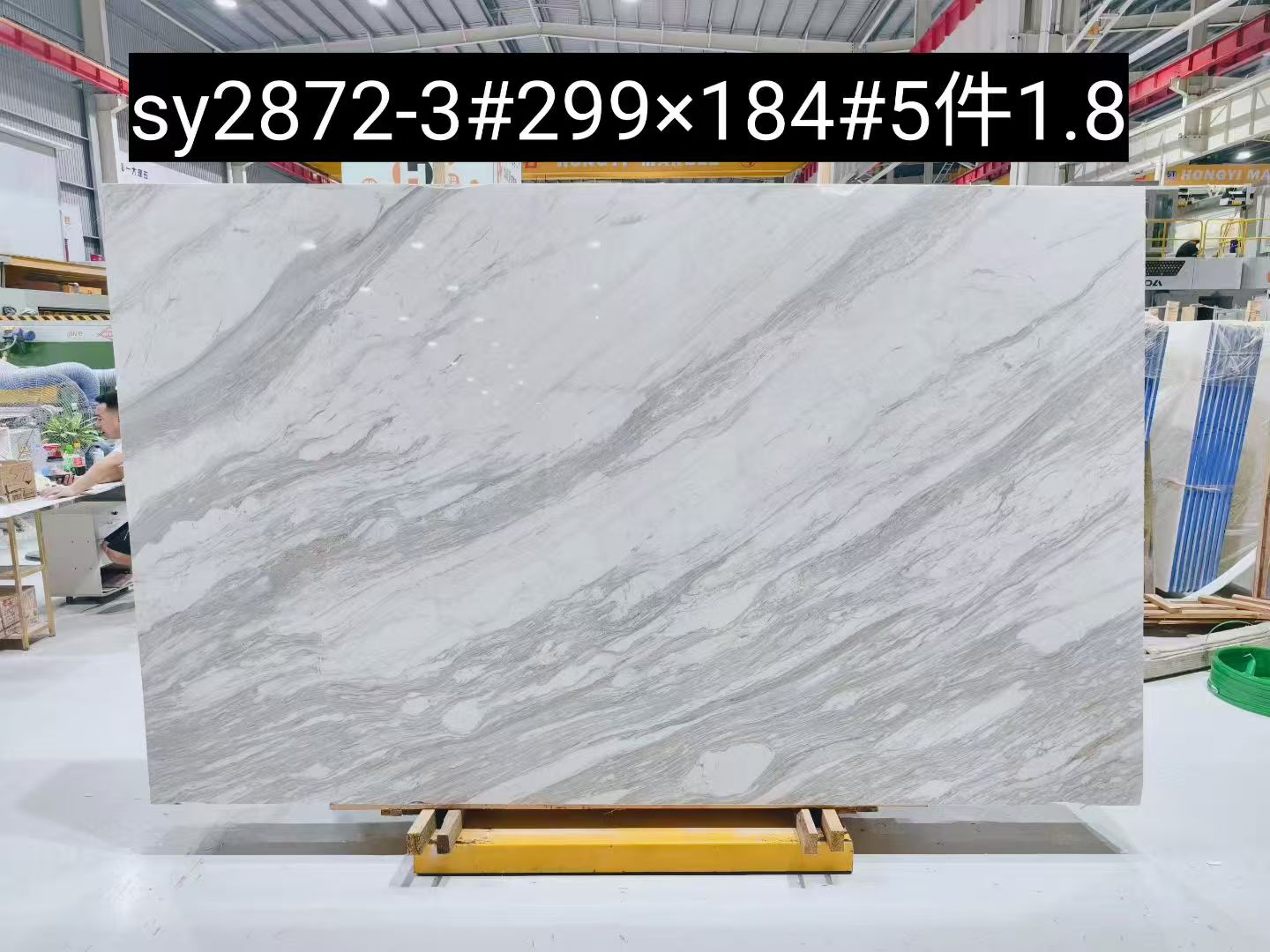
Esta losa de Volakas Spider muestra vetas grises diagonales en capas, líneas ramificadas más finas y un rico movimiento natural sobre un fondo gris blanco frío.
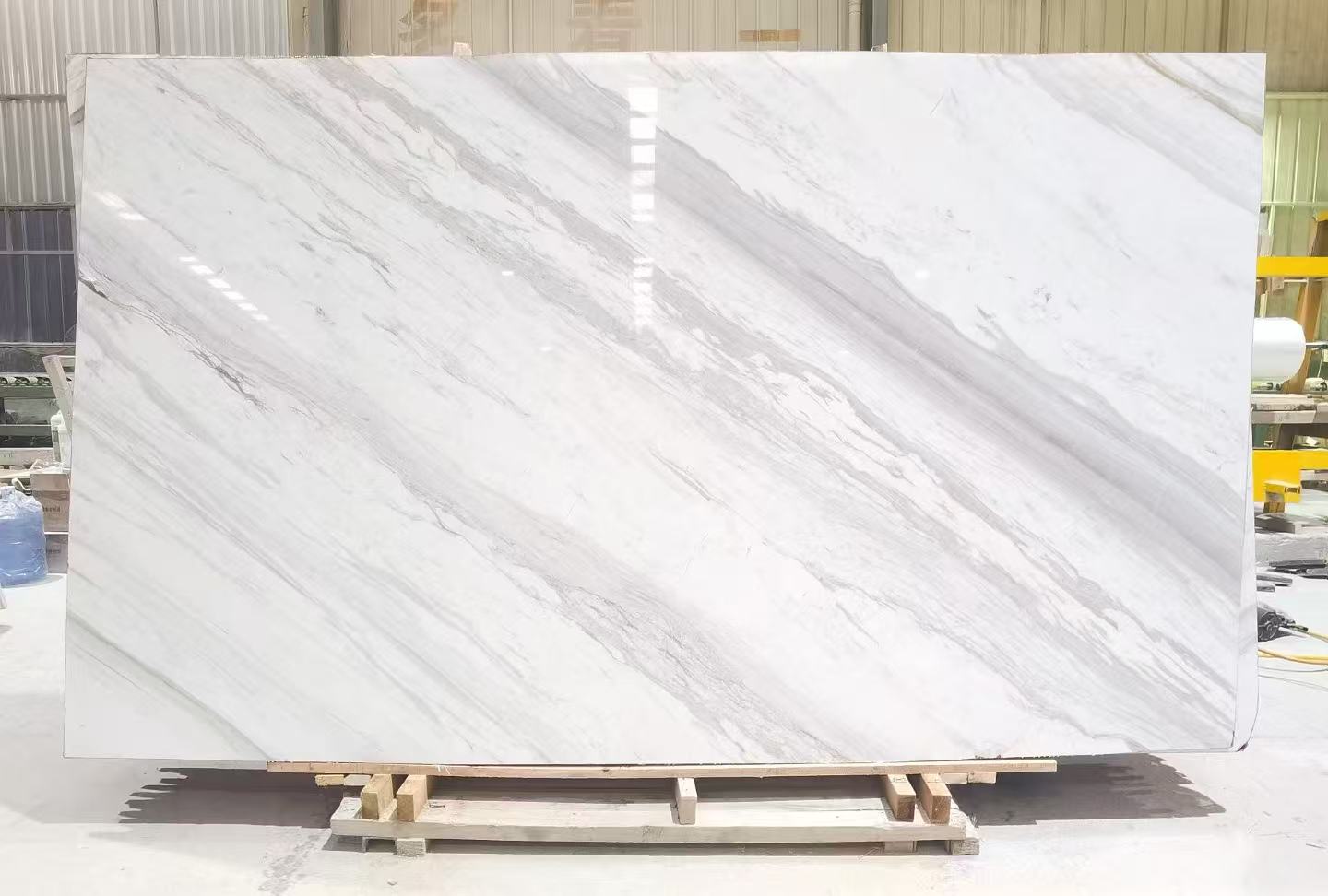
Esta losa de Volakas JPAPA tiene un fondo blanco brillante con vetas grises largas y ordenadas, creando una apariencia general más limpia y lineal.
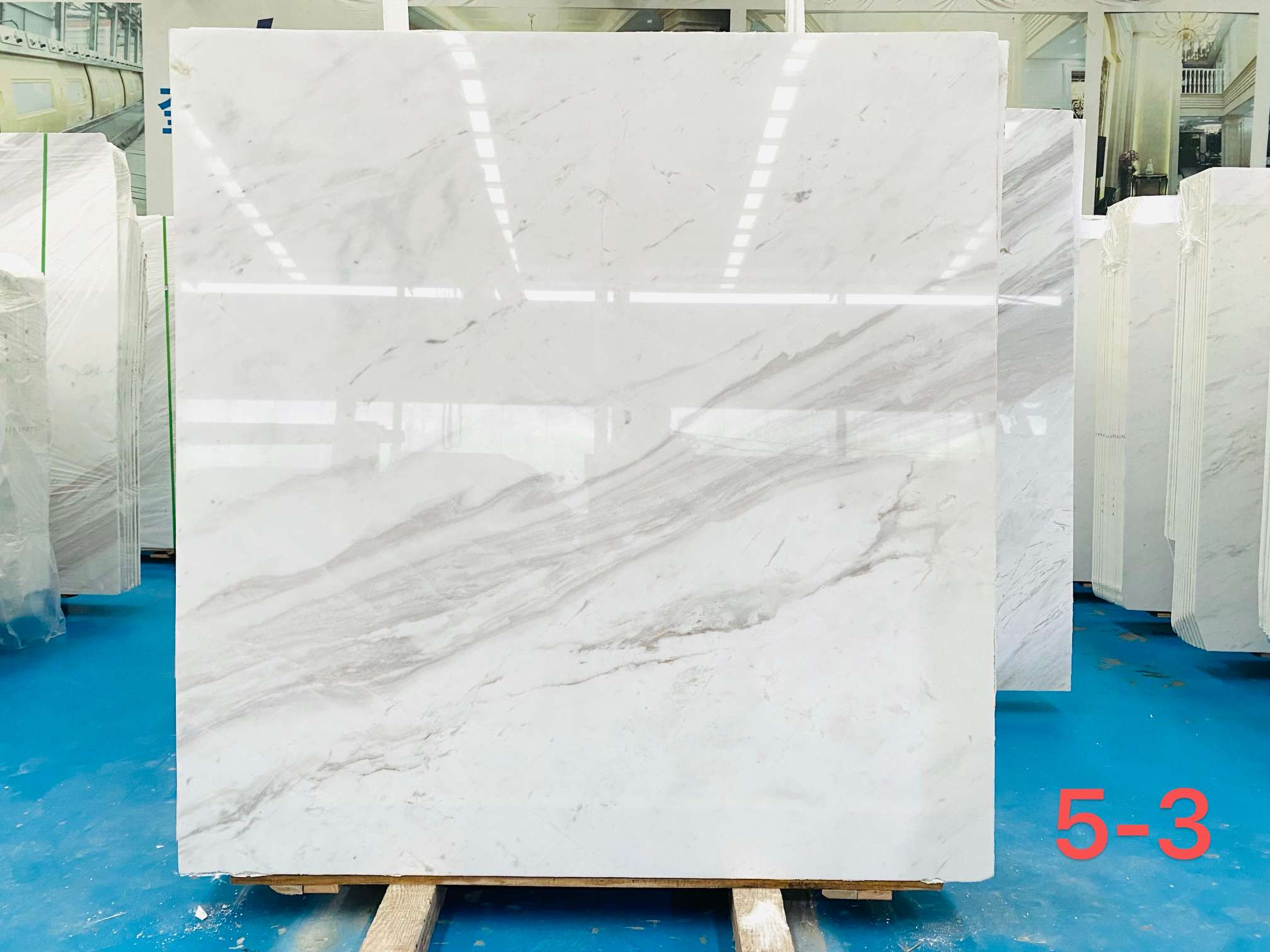
Esta losa de Volakas Dionyso combina grandes áreas blancas abiertas con una veta gris dominante y fluida, dando a la losa una composición más suave y decorativa.
Para compradores sin un requisito de diseño altamente específico, normalmente recomendamos comenzar con Spider o JPAPA.
Esta recomendación se basa en la experiencia del mercado más que en una preferencia de diseño personal. Ambas selecciones tienen una aceptación más amplia entre los compradores internacionales de piedra y son más fáciles de introducir en diferentes tipos de proyectos, programas de inventario y mercados de reventa.
Comience con Spider o JPAPA cuando:
Spider es una opción sólida cuando los compradores desean más movimiento natural y losas más expresivas.
JPAPA suele ser la opción más segura cuando la prioridad es:
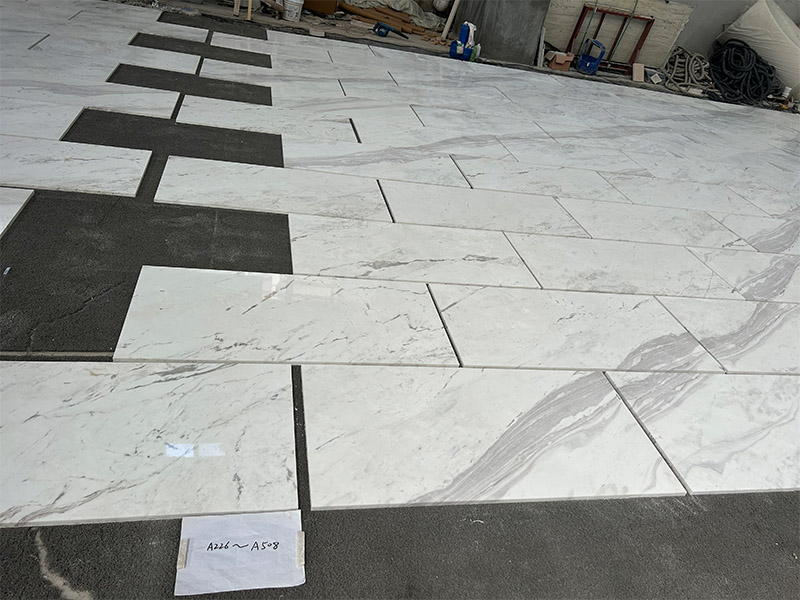
Las piezas cortadas de Volakas Spider se colocan juntas para revisar la dirección de las vetas, la consistencia del color y la relación entre piezas individuales antes del uso en el proyecto.
Los compradores que buscan losas completas pueden revisar nuestras actuales losas de mármol Volakas y pídanos que comparemos las selecciones actuales disponibles de Spider, JPAPA, Dionyso u otras.
Sí. La selección de la cantera es un factor, pero el precio también puede cambiar según:
Para una comparación detallada, consulte nuestra guía de variación del precio del mármol Volakas .
Spider y JPAPA tienen apariencias diferentes, pero ambos se encuentran dentro de una gama más amplia de preferencias por el mármol blanco.
Muchos compradores de Volakas buscan una combinación sencilla:
Spider satisface esta demanda con un movimiento más rico y expresivo.
JPAPA la satisface con un fondo más limpio y vetas más lineales.
Los dos materiales son visualmente diferentes, pero ambos pueden funcionar en hoteles, baños, interiores residenciales, paredes comerciales e inventarios de tablas. Esta amplia coincidencia con la demanda principal de mármol blanco es coherente con la mayor circulación en el mercado que observamos.
La selección internacional de piedra suele comenzar con:
Spider tiene una firma visual evidente debido a su estructura de vetas ramificada y en capas.
JPAPA es fácil de entender porque sus largas vetas grises normalmente siguen una dirección más clara y continua. Esto importa en el comercio B2B. Una tabla que es fácil de entender a distancia también es más fácil de presentar, comparar y preseleccionar.
Los importadores y almacenistas de tablas no solo compran una tabla atractiva. También necesitan saber si el material puede funcionar en varios proyectos y con distintos clientes.
JPAPA es especialmente adecuado para:
Spider ofrece una variación más natural, pero la dirección principal de las vetas sigue siendo reconocible. Por lo tanto, los lotes bien seleccionados pueden ofrecer un carácter visual fuerte sin volverse completamente impredecibles.
Este equilibrio entrecarácter natural y flexibilidad comercial es una de las razones por las que Spider y JPAPA reciben una mayor aceptación entre los compradores.
La forma más sencilla de entender las diferencias de Volakas es comparar planchas completas en lugar de muestras pequeñas.
| Selección | Fondo | Veteado | Carácter general |
|---|---|---|---|
| Spider | Blanco grisáceo frío | Vetas grises ramificadas y en capas | Rico y expresivo |
| JPAPA | Blanco frío brillante a neutro | Vetas largas de color gris plateado y ordenadas | Limpio y lineal |
| Dionyso | Blanco brillante a ligeramente cálido | Zonas abiertas con una veta fluida dominante | Suave y elegante |
| Selección de cantera grande | Blanco grisáceo variable | Vetas diagonales amplias y movimiento nuboso | Dramático e individual |
Spider suele mostrar un fondo blanco grisáceo frío con amplias vetas diagonales rodeadas de ramas más finas, bordes difuminados y líneas entrelazadas.
Su característica definitoria es movimiento natural en capas. Las vetas cubren gran parte de la plancha, pero mantienen una dirección general reconocible.
Palabras clave visuales: rico, en capas, expresivo.
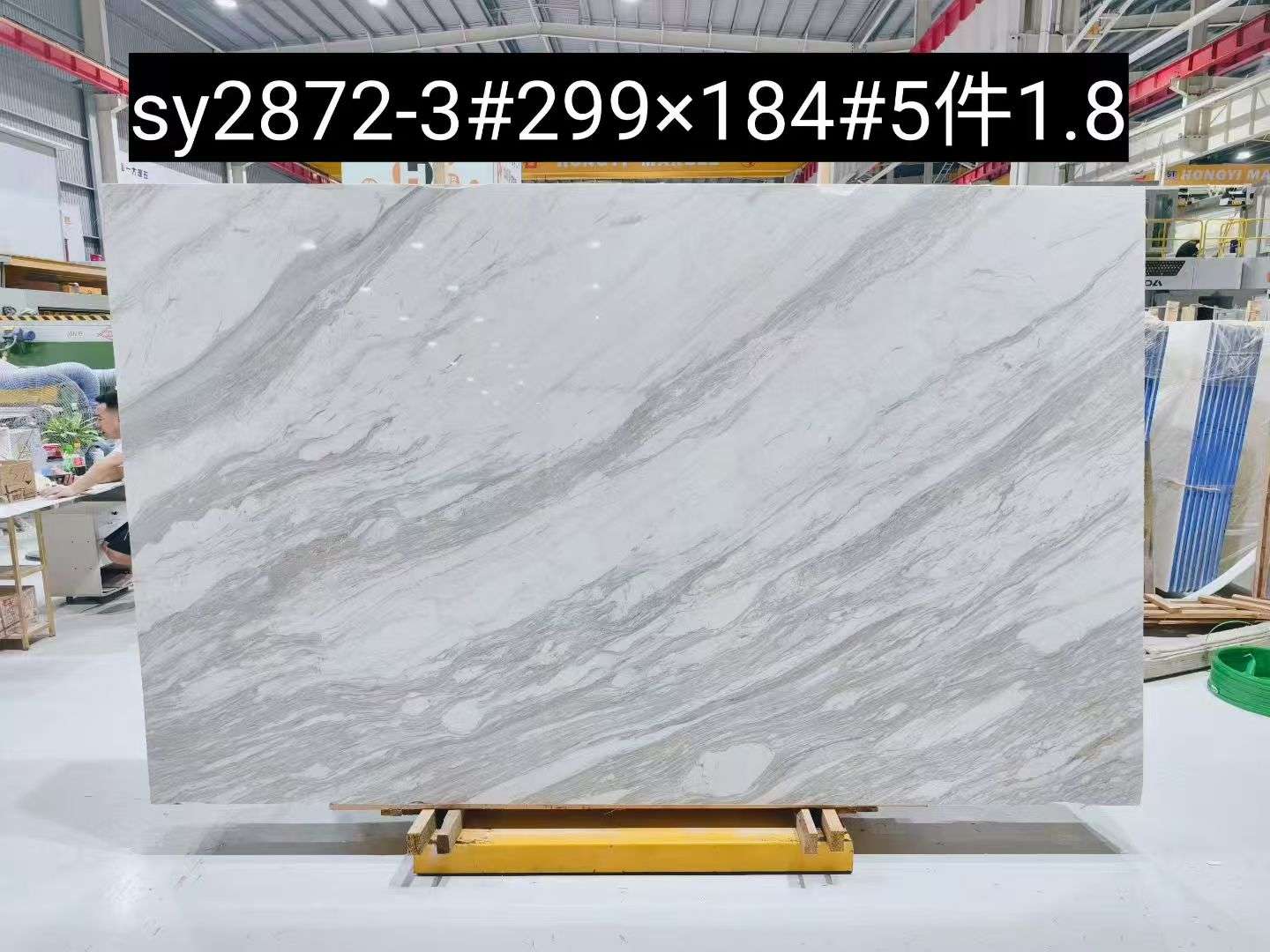
Esta plancha de Spider Volakas es otro ejemplo del veteado gris diagonal en capas y la textura natural expresiva de la selección.
JPAPA, comúnmente llamado Zhongbaba en el mercado chino de piedra, normalmente tiene un fondo blanco más brillante de frío a neutro con vetas largas de color gris plateado.
En comparación con Spider, el patrón es más ordenado y lineal, con más espacio blanco visible entre las vetas principales.
Palabras clave visuales: limpio, brillante, lineal.
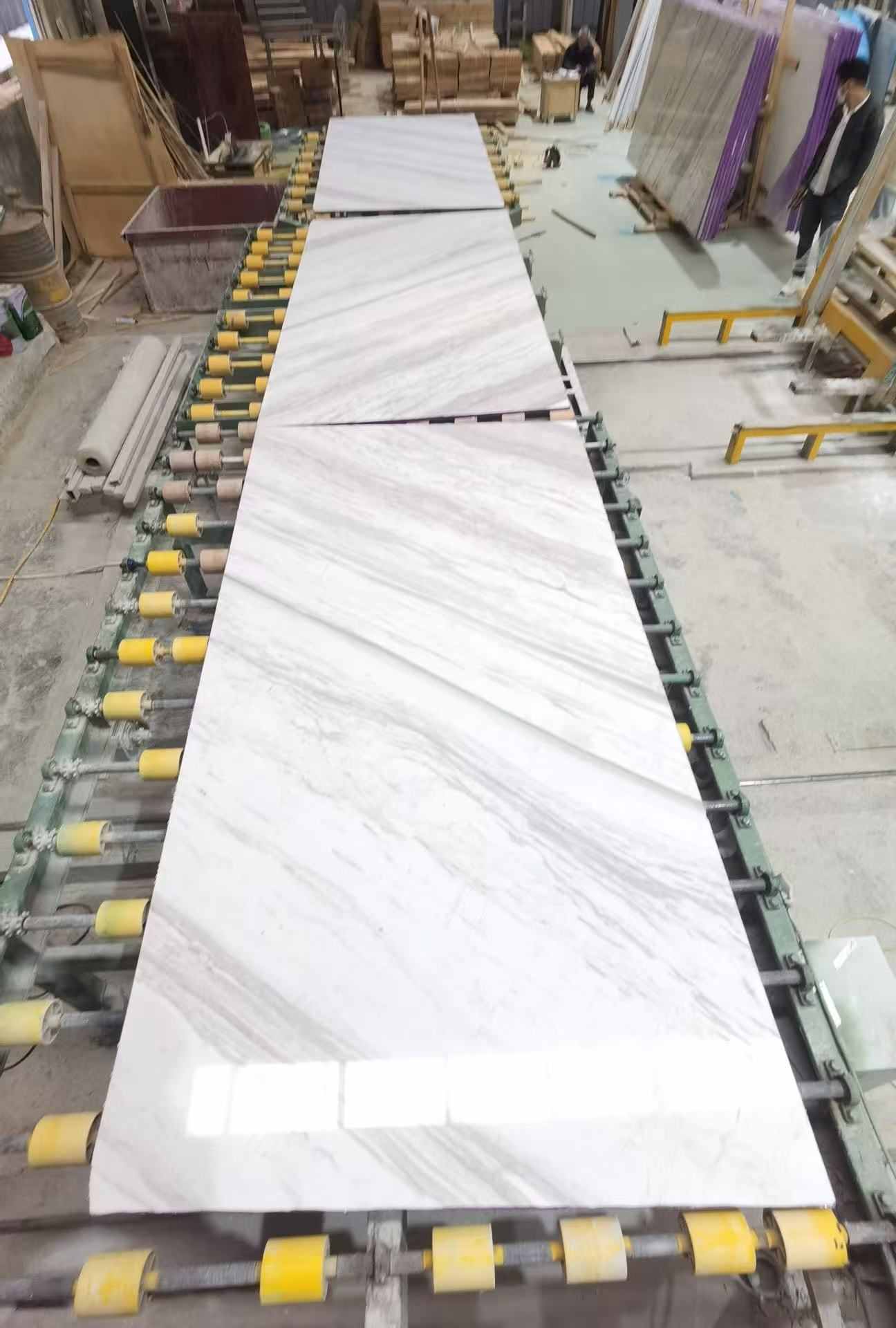
Múltiples planchas de mármol Volakas están dispuestas juntas en la línea de producción de la fábrica, lo que permite revisar el tono de fondo, la dirección de las vetas y la apariencia general del lote en planchas completas.
Dionyso puede tener un fondo de blanco brillante a blanco ligeramente cálido, con áreas abiertas más grandes y una o más vetas fluidas amplias.
En lugar de distribuir vetas similares por toda la losa, el patrón suele crear un área focal más marcada.
Mejores palabras clave visuales:abierto, suave, elegante.
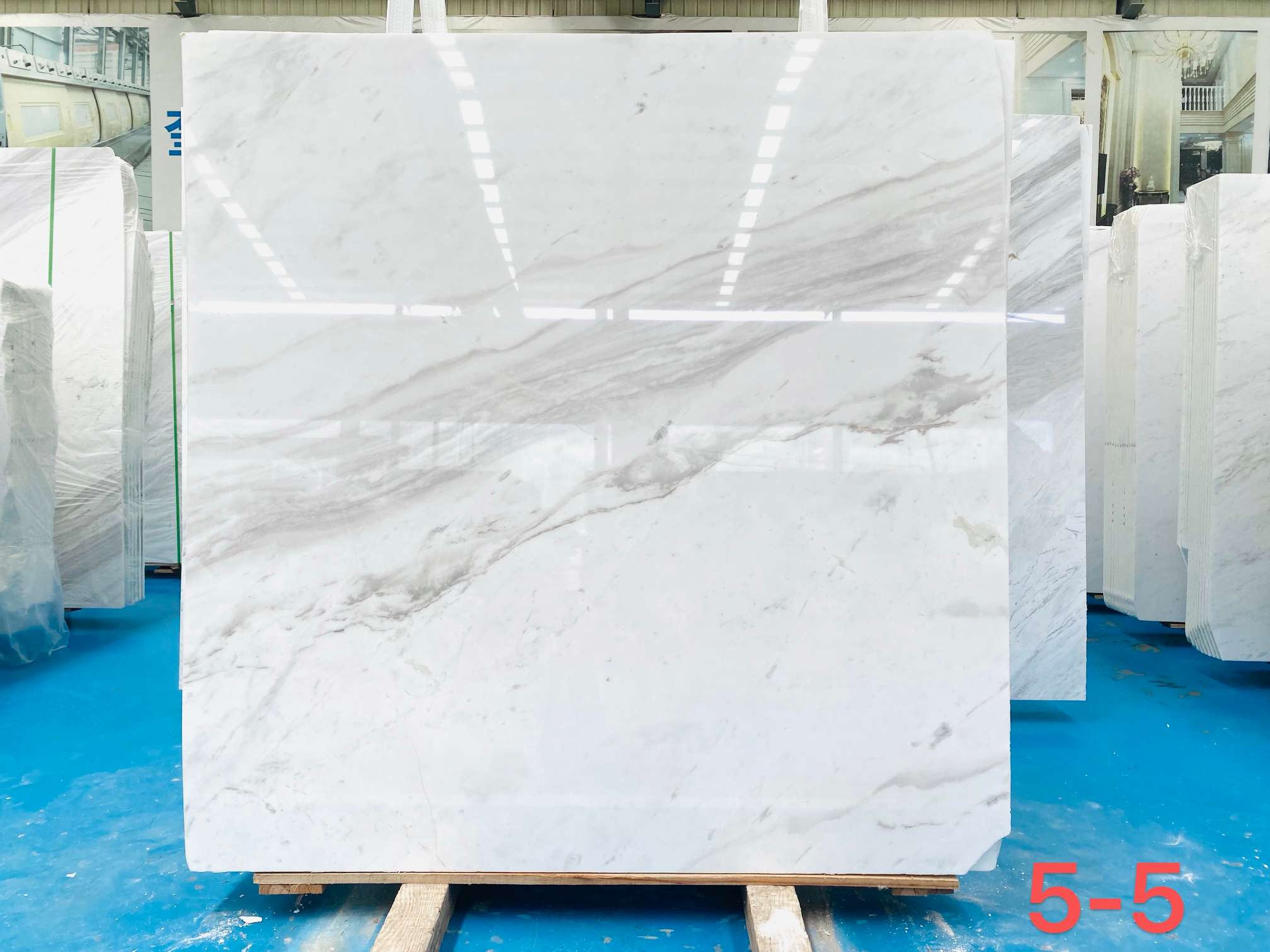
Esta losa Dionyso Volakas muestra un fondo blanco brillante con una veta gris más suave y fluida, reforzando el carácter visual más claro y elegante de la selección.
La selección de Cantera Grande revisada en el mercado de Shuitou muestra un fondo gris-blanco frío con cambios tonales más marcados. Las vetas diagonales amplias pueden aparecer junto con áreas grises nubladas y zonas de movimiento más grandes.
La losa puede ser visualmente impresionante, pero cada pieza puede sentirse más individual.
Mejores palabras clave visuales:dramático, variable, individual.
La selección Volakas más popular no necesariamente es la mejor opción para cada proyecto.
| Si quieres... | Mejor combinación | Aplicaciones típicas |
|---|---|---|
| Vetas naturales más ricas y un movimiento más intenso | Spider | Paredes destacadas, baños de hoteles, interiores decorativos |
| Fondo blanco más limpio y movimiento lineal | JPAPA | Hoteles, habitaciones repetidas, grandes áreas de pared, interiores modernos |
| Más espacio blanco con una veta dominante característica | Dionyso | Baños de lujo, paredes de recepción, interiores minimalistas |
| Variación dramática y losas seleccionadas individualmente | Selección de cantera grande | Paredes protagonistas, elementos destacados residenciales, paneles decorativos |
Spider funciona bien cuando la propia piedra debe convertirse en parte del diseño.
Los usos típicos incluyen:
JPAPA se adapta mejor a proyectos que necesitan:
Es especialmente útil para hoteles, proyectos de apartamentos e interiores comerciales modernos.
Dionyso funciona bien cuando el diseñador busca:
Los grandes paneles de pared y los elementos destacados de recepción pueden aprovechar bien este patrón.
La selección comercial Large Quarry se adapta mejor a proyectos donde se busca intencionalmente una variación natural más marcada.
Puede funcionar bien para:
Para baños de hoteles, habitaciones repetidas y programas de paredes o suelos, los compradores también pueden revisar nuestros azulejos de mármol Volakas para suministro basado en proyectos.
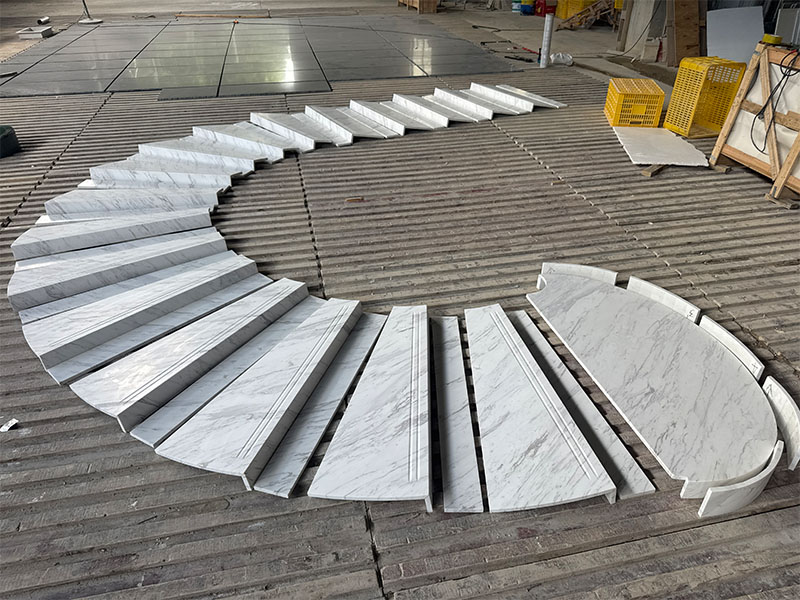
Los peldaños de escalera personalizados de mármol Volakas, las piezas curvas de descansillo y los componentes cortados a medida se preparan para fabricación y revisión del proyecto.
Spider y JPAPA son las selecciones de Volakas que vemos recibir la aceptación más amplia en el comercio internacional de losas.
Para compradores sin un requisito de diseño altamente específico:
Dionyso y la selección comercial Large Quarry no son materiales inferiores. Simplemente se adaptan a direcciones visuales más específicas: Dionyso funciona bien para composiciones abiertas y elegantes, mientras que las losas Large Quarry son adecuadas para proyectos que adoptan deliberadamente una variación natural más intensa.
Desde una perspectiva de compra y reventa, Spider y JPAPA suelen ser las primeras selecciones de Volakas que recomendamos revisar porque combinan una identidad visual sólida con una aceptación más amplia en el mercado.
Sí, para aplicaciones interiores adecuadas. El mármol Volakas se utiliza ampliamente en paredes de baños, suelos decorativos, revestimientos interiores y encimeras de tocador. Al igual que otros mármoles naturales, es más sensible a los ácidos y los arañazos que el granito o la cuarcita.
Se comercializa como mármol y se clasifica más específicamente como mármol dolomítico. “Dolomítico” describe su composición mineral. Volakas sigue siendo un mármol natural griego.
Sí, pero requiere más cuidado que el granito o el cuarzo de ingeniería.Los líquidos ácidos pueden grabar la superficie pulida, mientras que los aceites y los derrames con color pueden marcar la piedra sin protección. Un sellado adecuado y una limpieza rápida son importantes.
Sí.El Volakas se usa comúnmente para paredes de ducha, revestimientos de baño y encimeras de tocador. Las aplicaciones en zonas húmedas requieren una impermeabilización adecuada, materiales de instalación compatibles con la piedra, sellado y productos de limpieza no ácidos.
Puede mancharse si se deja sin sellar o si los derrames permanecen en la superficie durante demasiado tiempo.Su fondo claro hace que las manchas de aceite, óxido y color sean más visibles, por lo que se recomienda una protección penetrante y un mantenimiento adecuado.
Se usa con más frecuencia en interiores.La idoneidad para exteriores depende del clima, la exposición a ciclos de congelación y descongelación, las condiciones del agua, el grosor de la piedra, el acabado de la superficie y el sistema de instalación. Las condiciones exteriores exigentes requieren una evaluación específica del proyecto.
Categorías
Nuevo blog
Etiquetas
 ROOM 205,NO.45, MIDDLE HAIJING ROAD,XIAMEN,AREA OF PILOT FREE TRADE ZONE(FUJIAN)OF CHINA
Para Consultas sobre nuestros productos o su lista de precios, por favor, déjanos a nosotros y estaremos en contacto dentro de las 24 horas.



© Derechos de autor: 2026 XIAMEN EXCELLENT STONE CO.,LTD. Reservados todos los derechos.

Red IPv6 admitida